
The mission of the Society of Jesus in Africa and Madagascar is a mission of justice and reconciliation.
The Society of Jesus was founded in 1540 by Saint Ignatius Loyola and his companions. Early Jesuit missionaries arrived in Africa starting in the 16th century reaching Mozambique in 1541, Congo in 1542/1548, and Ethiopia in 1555.
The Jesuit Conference of Africa and Madagascar (JCAM) traces its origins to the first joint meeting of English- and French-speaking Major Superiors of Africa, held in Lusaka, Zambia, in 1970.
Originally known as the Jesuit Conference of Major Superiors of Africa and Madagascar (JESAM), it was renamed JCAM in July 2018. Its headquarters is in Nairobi, Kenya.
JCAM consists of seven provinces. Each has its own administrative headquarters and contains numerous Jesuit communities and works. Together, these provinces form a Conference with the mission of reconciling women and men with God, themselves, one another, and God's creation.
Our Provinces
#JesuitsAfricaMadagascar

The UAPs (2019–2029) are Jesuit mission priorities approved by Pope Francis, guiding ministries worldwide to support marginalised communities, accompany young people, and care for creation.
Our Priorities
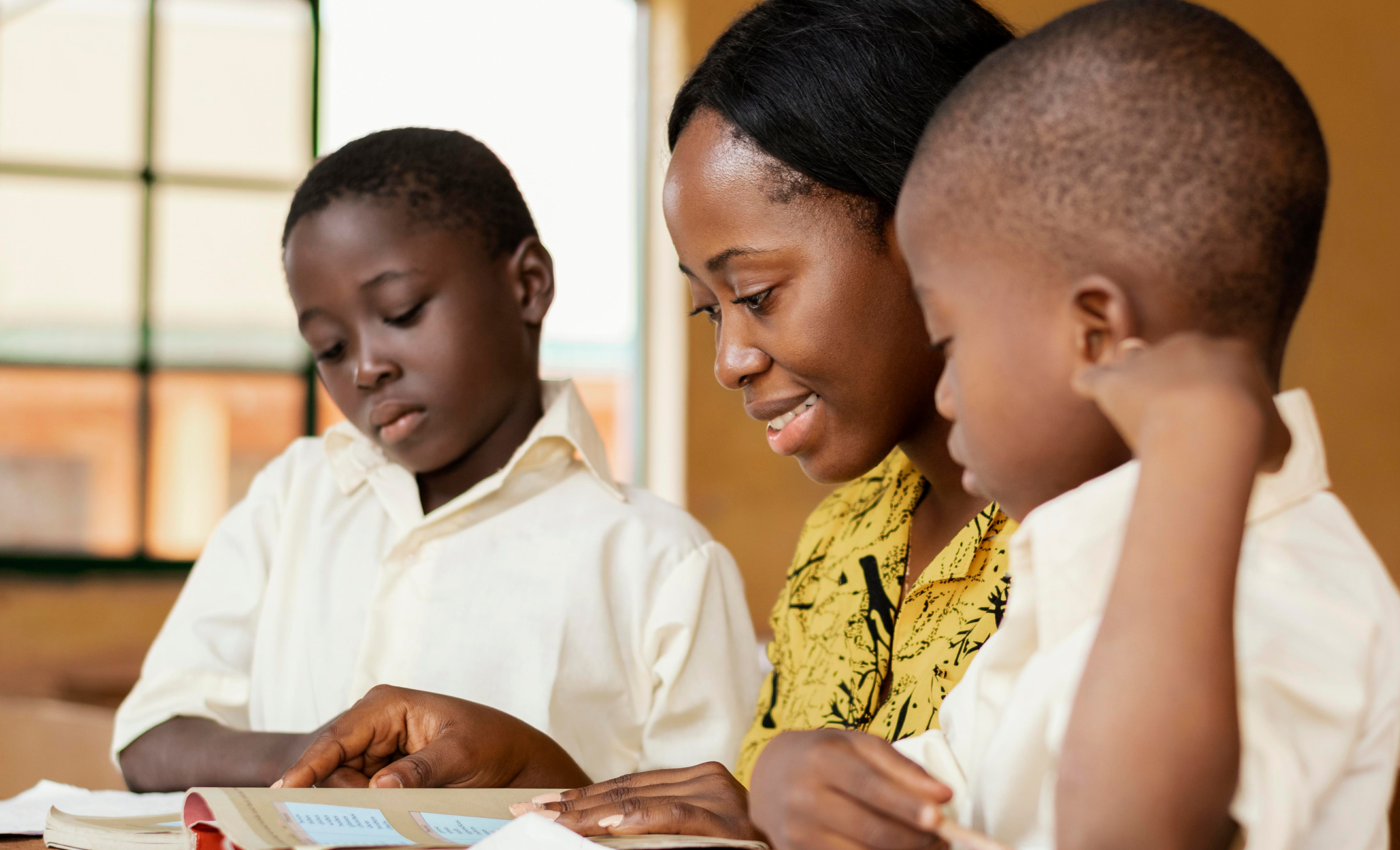
Jesuit Education is based on a 450 year-old tradition that aims to form high school and college students intellectually, morally and spiritually toward lives of solidarity, service and professional success.
Support Education

AJAN is a network of Jesuits and their co-workers in Sub-Saharan Africa, who are somehow involved in the ministry of AIDS care and HIV prevention, determined to continue accompanying those affected.
Support AJAN
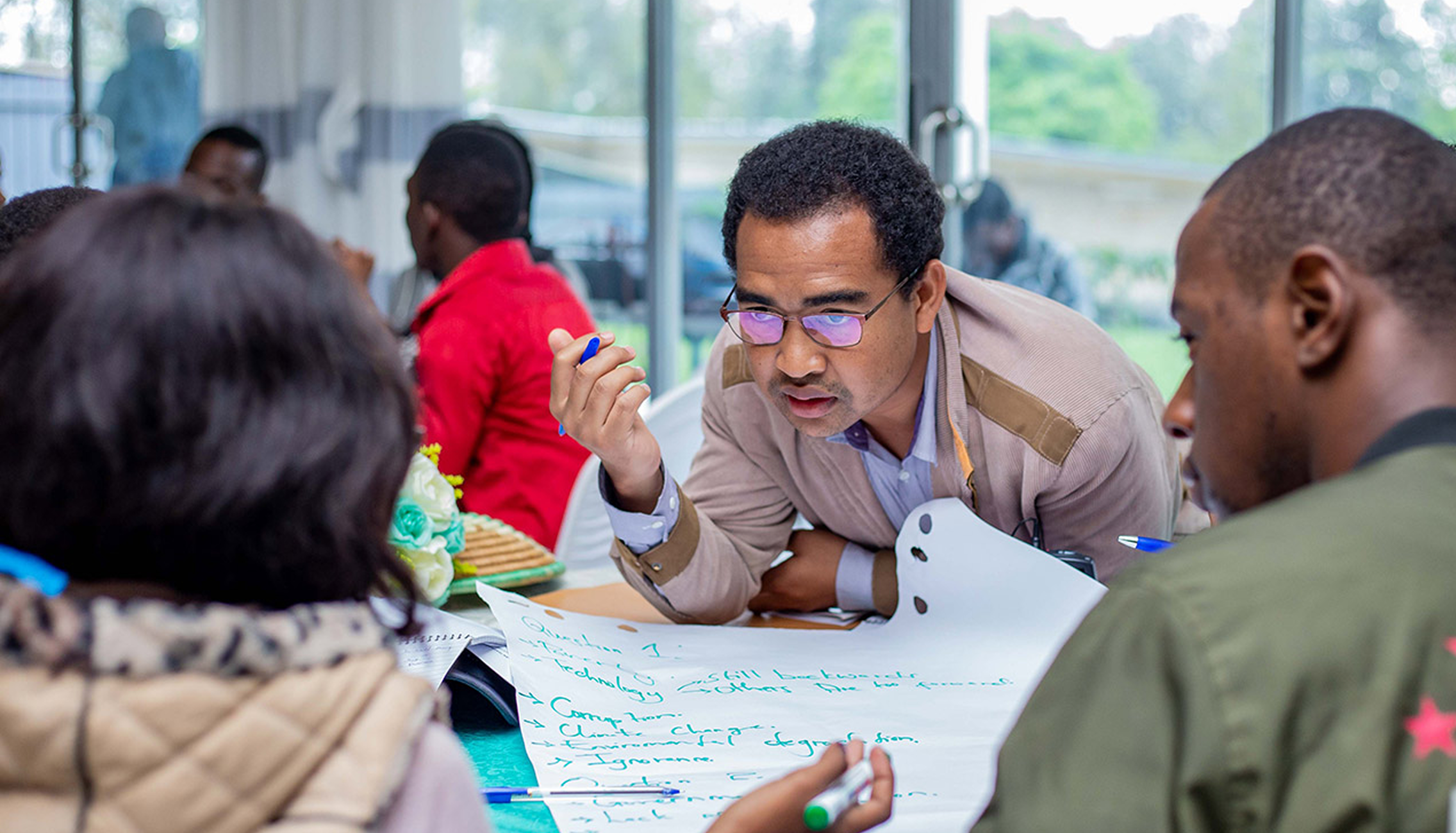
JEO serves as a unified Secretariat that coordinates social justice and ecology efforts across Africa guided by the principle of subsidiarity, collaboration and our preferential option for the marginalised and excluded.
Support JEO
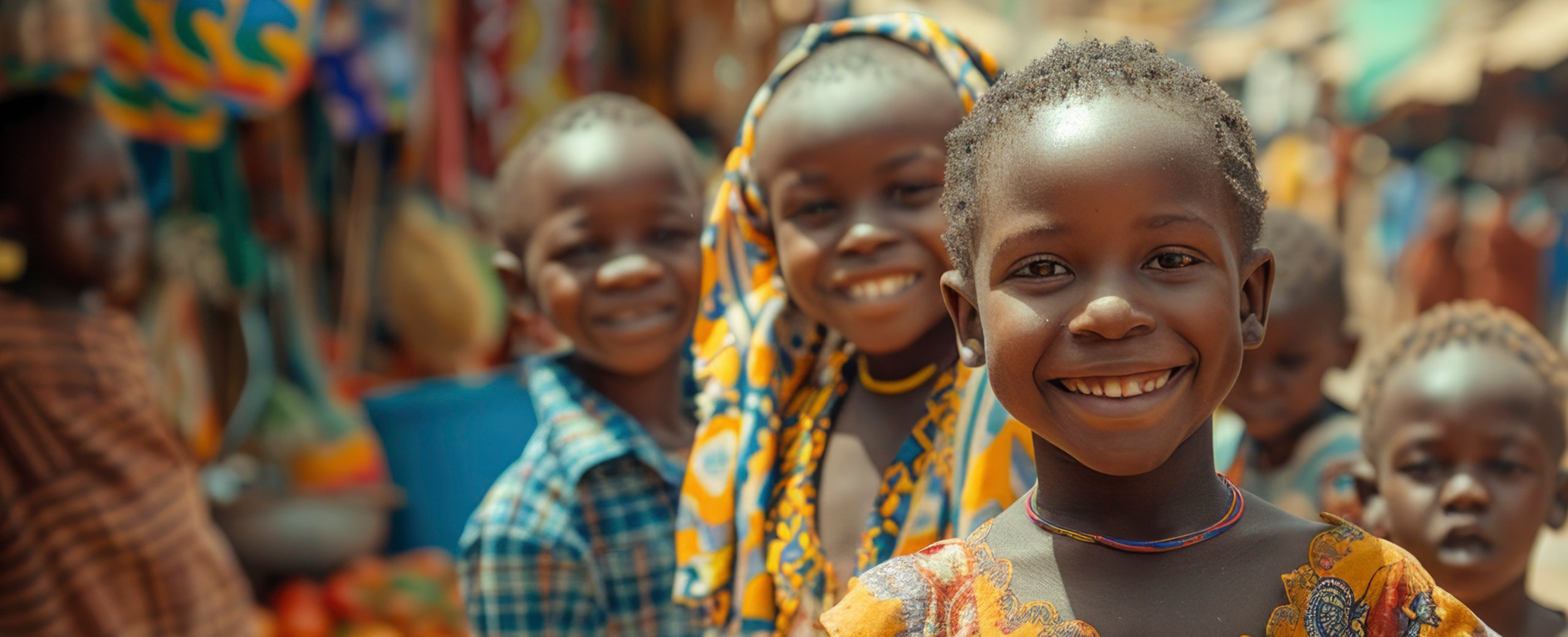
We promote a strong culture of safeguarding across all Jesuit ministries, ensuring that minors and vulnerable persons are respected, safe, and cared for, while committing to culturally sensitive practices that foster an abuse-free future.
A Gospel Imperative
JCAM nouvelles

JCAM nouvelles

JCAM nouvelles

In fact, we are in formation all through our Jesuit life as we always say, “A Jesuit is always a student at work.”
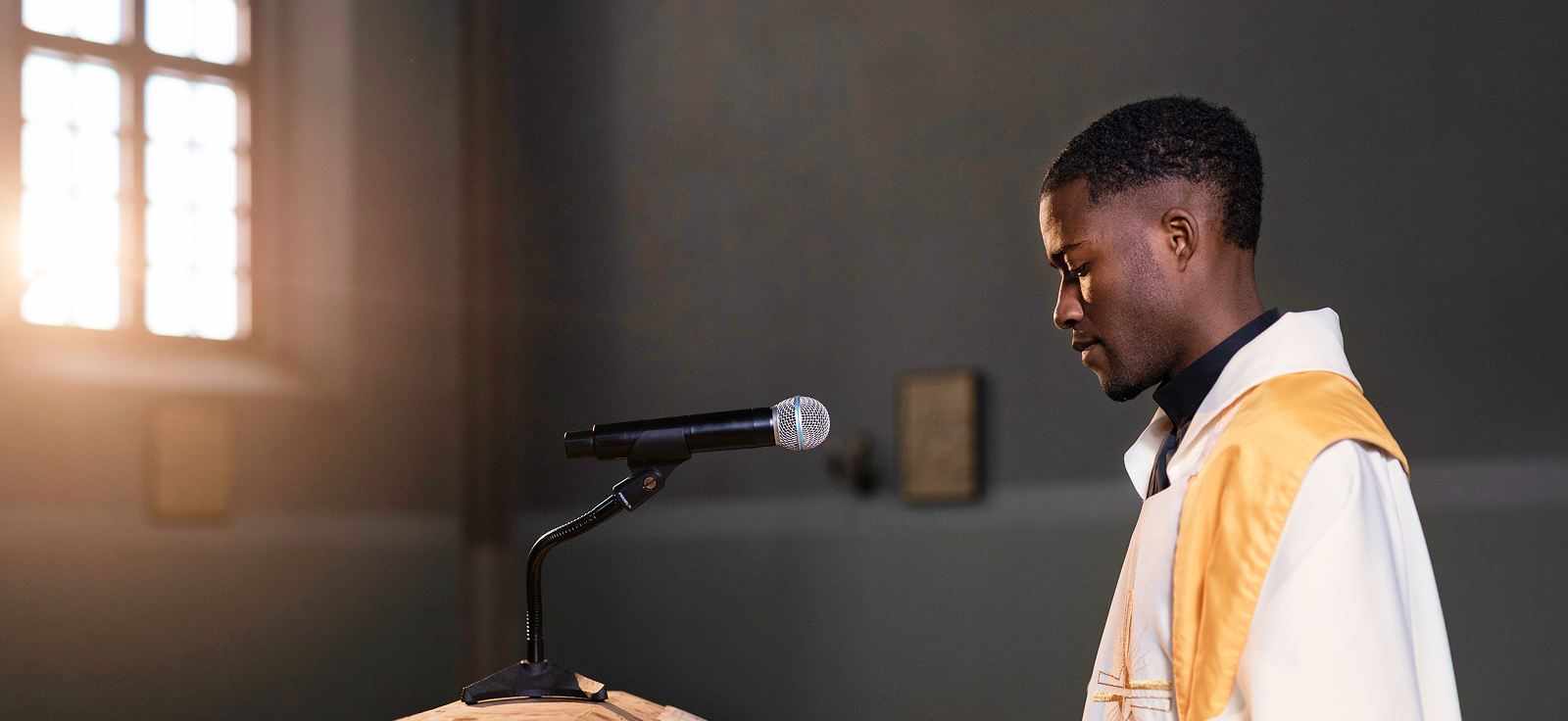
Is the Society of Jesus right for you? Do you feel called by God to be transformed into a man for others? Apply below.
Send us an email
For the first two years — the novitiate — the novices complete a series of “experiments,” designed to test them and to help them grow in the love of Christ, increase their knowledge of the Society of Jesus and minister to people on the margins.
After professing First Vows on finishing the novitiate stage a Jesuit moves into further study or academic work as a brother or a scholastic (a man who is preparing for priesthood). He studies philosophy at a Jesuit university, usually for three years.
For the first time during formation, a Jesuit brother or scholastic works full-time in a Jesuit ministry, living in an apostolic community of Jesuits, usually for a period of three years. Additional ministerial work in various ministries further deepens his Jesuit identity.
After completing regency, Jesuit scholastics study theology in various Jesuit institutions at the graduate and post graduate levels, usually for a period of four years.Theology studies prepare Jesuits for ordination as priests and the service of the faith.
Tertianship is a time of renewal and during this period, a Jesuit revisits the foundational documents and history of the Society of Jesus and once more makes the 30-day Spiritual Exercises of St. Ignatius — in a sense to reaffirm his Jesuit vocation.
Since the time of Saint Ignatius, the mission of the Society of Jesus has been sustained by generosity.Your donation supports the ministries of the Jesuit Conference of Africa and Madagascar, accompanying communities amid today’s social, health, and economic challenges.Give online in the currency of your choice, as an individual or organization. If you are unable to give financially, your prayers are gratefully remembered in the Masses and prayers offered for benefactors worldwide.
Your donations make our work possible. Because of you, our work continues
If you wish to make a donation by direct bank transferplease contact Fr. Paul Hamill, SJ, at this e-mail:
Fr Paul will get in touch with you about the best method of transfer for you and share account details with you. Donations can be one-off gifts or of any frequency; for example, you might wish to become a regular monthly donor of small amounts; that sort of reliable income can allow for very welcome forward planning in the development of the Society’s works in Africa and Madagascar.
Often it is easier to send a donation to an office within your own country and Fr Paul can advise on how that might be done. In some countries, this kind of giving can also be recognised for tax relief and the necessary receipts will be issued.
Fr. General Visit: ANW – 10-19 OCT
Nigeria & Liberia
JCAM Major Superiors Joint Retreat : 10-20 OCT
Africama House
Nairobi - Kenya
Fr. General Visit: 20-24 OCT
Africama House
Nairobi - Kenya
JCAM Major Superiors Plenary: 21-23 OCT
Africama House
Nairobi - Kenya
PSOs Meeting: 31 OCT-3RD NOV
Africama House
Nairobi - Kenya
Rectors and Presidents of Formation Houses: 8-13 NOV
Africama House
Nairobi - Kenya
The Society of Jesus in Africa and Madagascar has expanded widely across the Sub-Saharan part of the continent.
Present in
38Sub-saharan African Countries
JCAM
Footprint
Nairobi, Kenya